What are GLP-1 peptides?
GLP-1 (glucagon-like peptide-1) is a hormone your body releases after eating. It signals fullness to the brain, slows how quickly the stomach empties, and helps regulate blood sugar. GLP-1 peptide therapies mimic this natural signal, which is why they have become an established option for physician-supervised weight management.
The newest generation of these therapies goes further, targeting two or even three metabolic hormone receptors at once. Below is how the three most-discussed options compare.
Semaglutide: the established option
Semaglutide is a GLP-1 receptor agonist designed to support sustainable weight management and improved metabolic health. By helping regulate appetite, promote feelings of fullness, and support healthy blood sugar regulation, it has become one of the most established options for physician-supervised treatment.
- Acts on a single receptor: GLP-1
- Supports appetite regulation and feelings of fullness
- The most widely studied option of the three
Tirzepatide: the dual agonist
Tirzepatide works on two hormone receptors: GLP-1 and GIP (glucose-dependent insulinotropic polypeptide). This dual action affects hormones involved in both appetite regulation and blood sugar balance, and it has become a popular option for adults seeking comprehensive, physician-guided care for weight and related metabolic goals.
- Acts on two receptors: GLP-1 + GIP
- Supports appetite regulation and blood sugar balance
- Often considered when a broader metabolic approach is appropriate
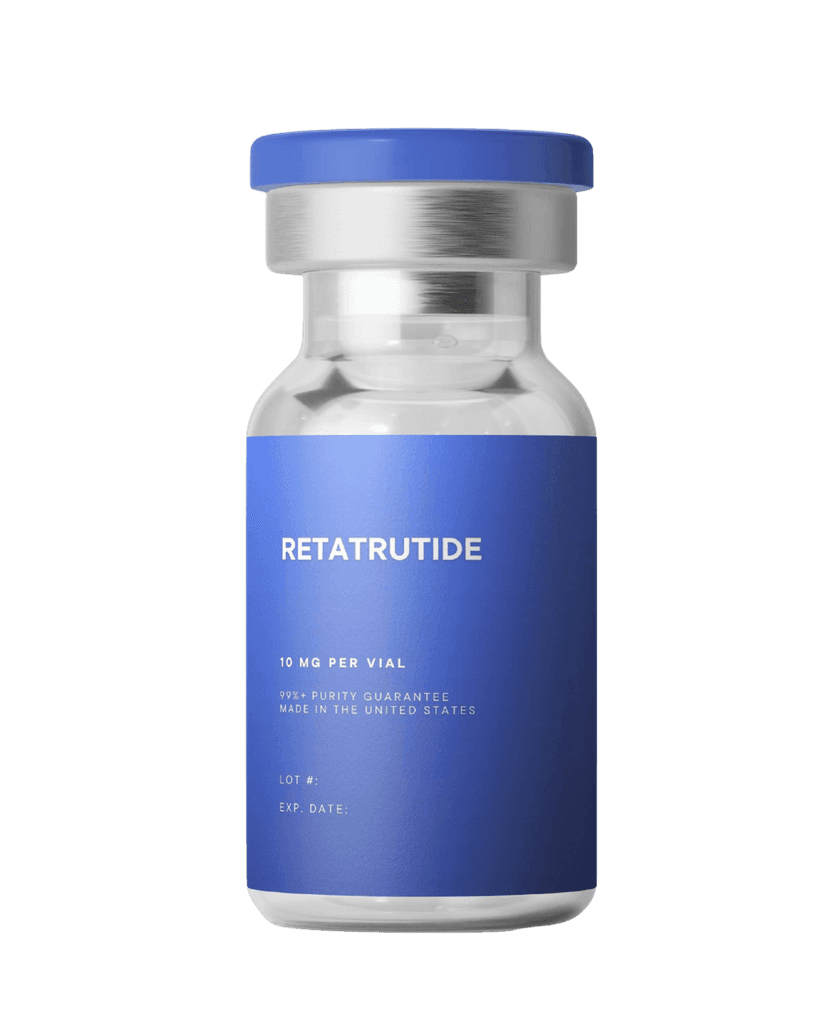
Retatrutide: the next generation
Retatrutide is an innovative triple agonist that acts on GLP-1, GIP, and glucagon receptors, pathways involved in appetite regulation, energy balance, and glucose metabolism. It represents a next-generation option that has generated significant interest in metabolic health.
- Acts on three receptors: GLP-1 + GIP + glucagon
- Targets appetite, energy balance, and glucose metabolism together
- The newest of the three, with research still evolving
Which one is right for you?
There is no universal answer, and that is the point of physician-guided care. The right option depends on your health history, your goals, and your provider's clinical judgment. Factors like previous treatments, metabolic markers, and tolerance all play a role in the recommendation.
Whichever therapy is prescribed, results are strongest when paired with lifestyle foundations: adequate protein, resistance training to preserve lean muscle, sleep, and consistency.
Getting started
Complete the online assessment and a licensed healthcare provider will review your history and goals. If treatment is appropriate, your medication is fulfilled by a licensed U.S. compounding pharmacy and shipped directly to you.